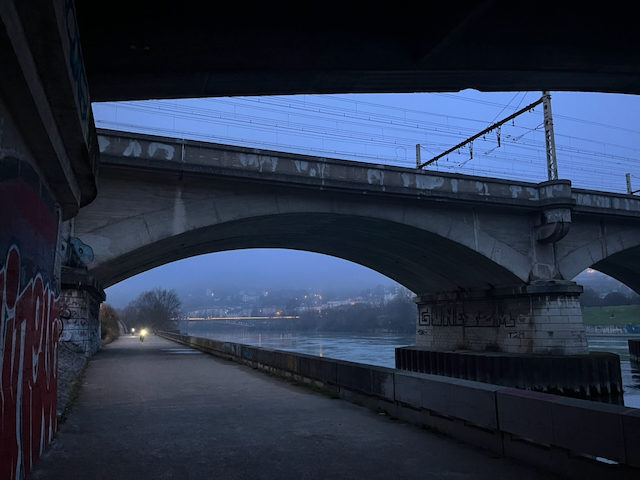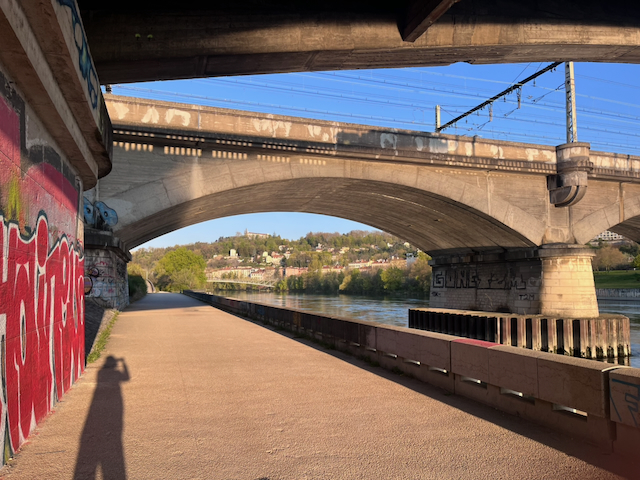
On walking

and being..

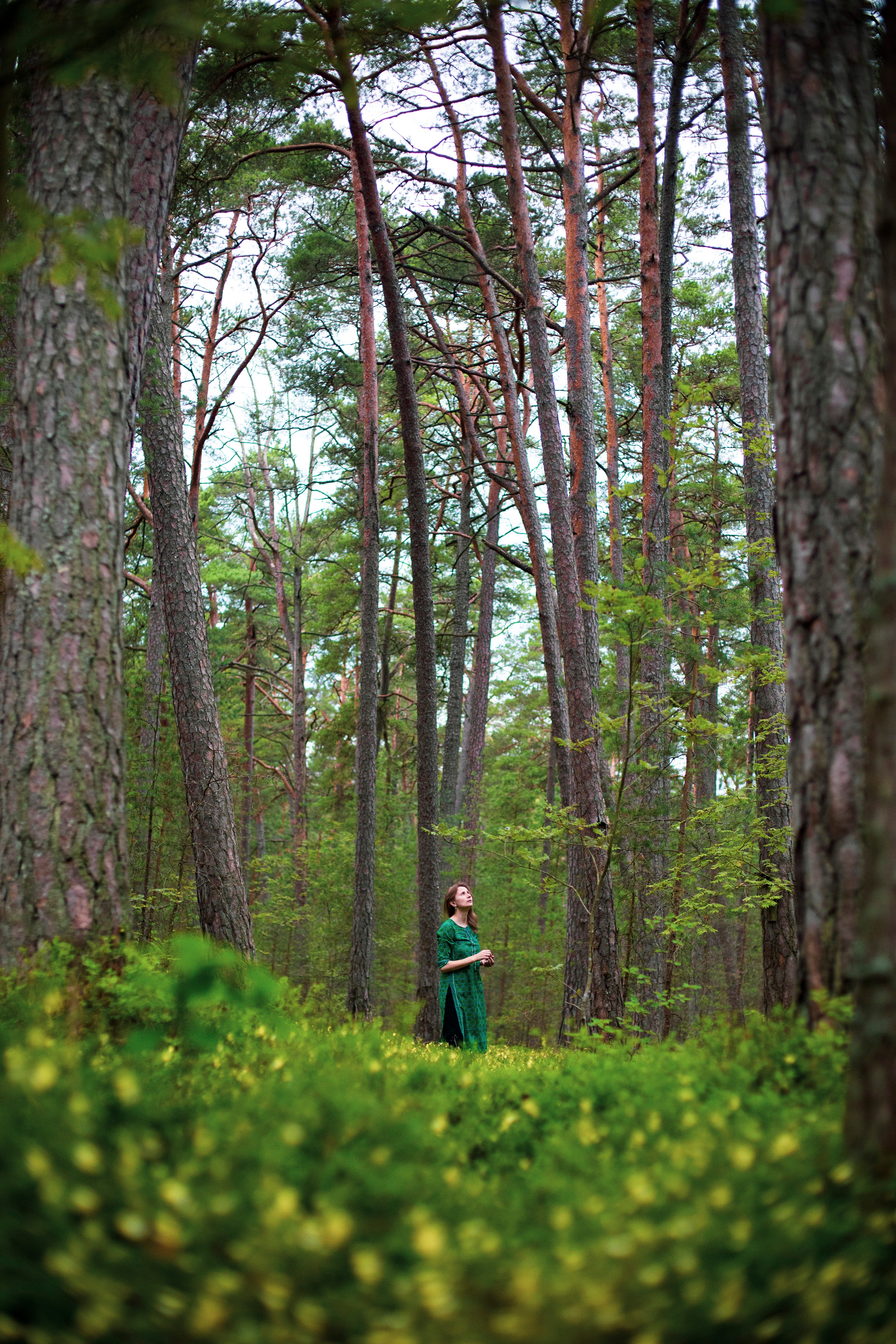
I like to go on walks. Often I start my day with one. It’s the time to listen to the soundscapes around me. It’s tome to observe and time to notice. Time to be with the world and let the world be inside of me. It quietens the mind, helps to sort out the thoughts, helps to zoom out and refresh. It’s a practice I cherish.

Sometimes I shift my attention to the sound of my steps and notice how it changes depending on the shoes, or the surface. I take in the sounds around me, what’s close, what’s far away.. maybe there’s a pattern, maybe the sounds are totally random. In Copenhagen it was fun to listen to all the bikes, each one with a very different melody. In nature it’s the birds, or the waves of the sea, or the wind in the trees, the bees.. Robert Walser captured this so nicely:

“With the utmost love and attention the man who walks must study and observe every smallest living thing, be it a child, a dog, a fly, a butterfly, a sparrow, a worm, a flower, a man, a house, a tree, a hedge, a snail, a mouse, a cloud, a hill, a leaf, or no more than a poor discarded scrap of paper.”

In my practice I sometimes take clients on what I call a silent walk. We leave the room, we walk together, and we don’t talk. The instruction is simple: observe what you hear, what you feel, what you notice. Pay attention to the surfaces under your feet. Look at things that are close up and far away. Notice smells. If you feel cold, how do you know you are cold?

I worked once with a person for whom any pause felt threatening. The to-do lists were never-ending, the rush into the future was constant, and stopping somehow equalled disappearing. There was a huge fear underneath all that speed. So we worked with the walk. Because during the walk you are doing something, you are actively present, but in the mode of being. You are with the world. And that turned out to be the thing that helped.

I also use the silent walk in workshops with students, sometimes about creativity, sometimes about the variety of temporal experiences. In one of my workshops back in Copenhagen we walked through the city and through the Assistens Cemetery, which is both an active cemetery and a public park. About 15 of us. In silence. For about 25 minutes.

When we came back I asked what they had noticed.

One student said the cemetery felt like a celebration of life more than a place to bury people. Every stone had flowers or something around it, it felt very personal at every individual grave. Another noticed the contrast of being in a place where she usually feels older, thinking about old age, while hearing all the youthful sounds of kids going crazy on the playground right next to it. Someone else felt a large sense of nostalgia, the sounds of kids and lawn mowers reminding her of summer camps and elementary school and running around with siblings. Very grounding, she said.

One student talked about the bikes. Each one sounded different depending on the gear, the wheels, the pace of pedaling. She had tuned it out before, but now she heard it like music. Another noticed that during the walk there were many things she wanted to communicate and say out loud, and when they would catch each other’s eye, they knew they were sharing the same moment. A connection without having to actually speak.

Several students reflected on the silence itself. One of them said she struggles with dissociation and is working on it in her own therapy, and that this walk was a great lesson in actually trying to be more present, because normally when she has headphones on she feels blank. Another said it was a relief to not have to talk, that silence felt like a burden she didn’t realize she was carrying. “I need to shut up sometimes,” she said, laughing. “We’ve gotten so accustomed to filling the silence, and if everyone’s quiet, it’s like, oh, something’s wrong. But actually we were all just having a great time.”

One student noticed the same woman walking her dog when we went into the cemetery and again when we came out. She had no idea how much time had passed. Another noticed the sound of her own footsteps for the first time in months.

Silence as a shared experience is rather rare. It happens on some special occasions. But to observe what happens when someone gives a group permission to be quiet together is very interesting. Rebecca Solnit, in Wanderlust, calls walking a way of thinking. I’d add that it is also a way of feeling, and of noticing that you are still here.

In existential analysis we say: where we give time, that’s where life happens. The silent walk is one way to give time. And what you notice, if you do this once in a while, even 5–7 minutes of really active presence, of noticing where the light is coming from, what you are hearing, what the air smells like, is that those 5–7 minutes expand in retrospect. You remember them. They don’t blur into the routine.

That is part of what I work with in my practice. People in their 30s, 40s, 50s, 60s come and say: I feel like everything is rushing, like the days are all the same, like I don’t have enough time. And one of the simplest things I can offer is this. Walk. Be silent. Pay attention. The time will slow down.

Try it sometime. Tomorrow morning, or tonight. Leave the headphones at home. Walk for 10 minutes and just notice. What do you hear? What’s close to you, what’s far away? How does the ground feel under your feet?

If this resonates and you’d like to explore working with time and presence, in 1:1 sessions or as part of a group, reach out! I see clients online and in Lyon, and I am open to leading silent walks and time-perception workshops with organisations, schools and small groups.

There is something else for me about walking that I have not touched here: walking and creativity. There is a fair amount of research on this, and a long list of writers, painters and composers for whom walking was a non-negotiable part of their working day. More on that soon.


References

Solnit, R. (2001). Wanderlust: A History of Walking. Penguin Books.

Walser, R. (1917/2012). The Walk. New Directions Publishing.

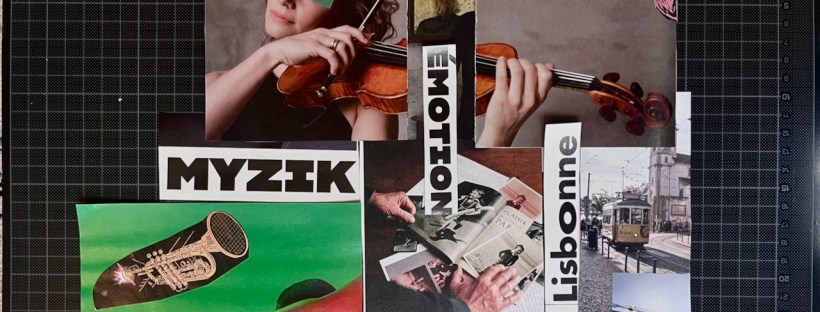
On language, emotions and music

What we hear, what we say, what we experience: looking through a cultural lens

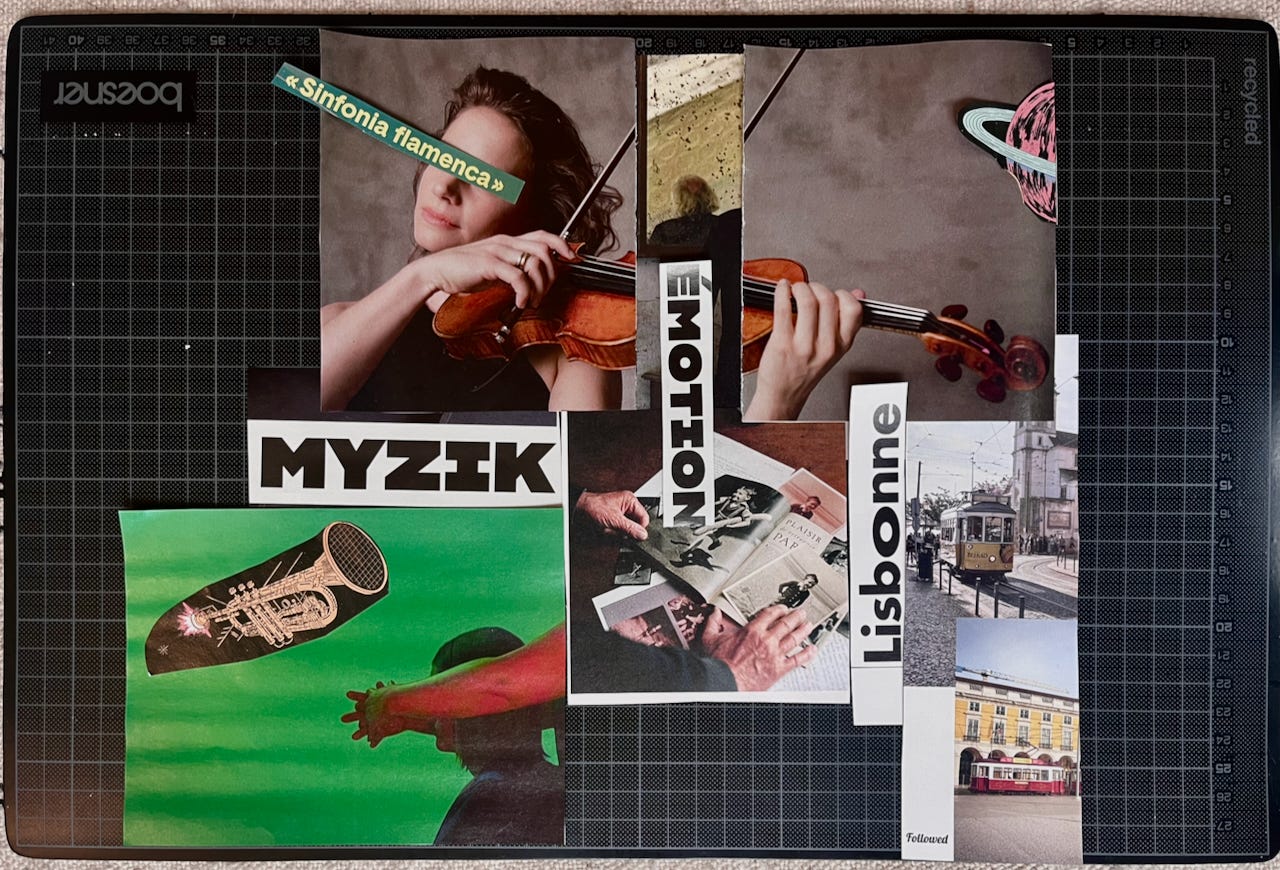
When I was teaching cross-cultural psychology in Denmark, I used to do this little experiment with my American students. I’d play them a fado song – I just needed to make sure no one spoke Portuguese. I would ask then: listen.. what do you hear? List the emotions that evoked in you by this piece..

Most of the time, students would describe the mood as rather upbeat. Which is interesting and there is research by my colleague, Nandini Chatterjee Singh and her colleagues showing that when we listen to music from outside our own culture, we tend to decode emotion primarily from the rhythm, the beat. The tonal structure, the melody – we don’t quite know what to do with those yet.. So the students heard the rhythm and went with it.

Then we would listen to the same song, but with the subtitles of the lyrics. And the responses were completely different. Fado as a form of music is characterized by mournful tunes and lyrics, often about the sea or the life of the poor, and infused with a sentiment of resignation, fatefulness and melancholia. This is loosely captured by the Portuguese word saudade. It doesn’t have an equivalent in English.

Saudade was once described as “the love that remains” after someone is gone. It is the recollection of feelings, experiences, places, events that once brought excitement, pleasure, well-being, which now triggers the senses and makes one live again. It can be described as an emptiness, like someone or something that should be there in a particular moment is missing, and you feel this absence.. But there is also joy in it, gratitude, tenderness for the fact that it existed at all.. Longing and joy in one word. Once the students had the lyrics, they could feel all of it. But it wasn’t something that resurfaced only by the music itself. Understanding the words added another dimension.

I ran the same experiment with students in India. Completely different story. From the very first take – no translation, no explanation – they listed everything. The longing, the sweetness, the grief, the gratitude. All of it, all at once. They didn’t understand Portuguese, obviously. But in Hindustani Classical Music, this kind of emotional complexity is built into the structure of the raga itself. It lives inside the scale. The Indian students had ears trained to hear what the American students needed words to access. This episode made me very curious about Hindustani Classical Music and was the triggering point for me to go deeper into this.

Anna Wierzbicka, the linguist, has been arguing for decades that the language you speak doesn’t just give you labels for your feelings. It shapes what feelings are available to you.

Take the English word “grief.” It carries a very specific scenario – something intense, relatively short-term, tied to death, understood as an interruption of normal life. Something to process and, ideally, move through. There’s a whole industry around it – grief counseling, stages of grief..

Russian has gore – which is closer to affliction, to suffering woven into the ordinary fabric of being alive. A thread, not a rupture.. There’s also bol’ (pain), stradanie (suffering), pechal’ (sorrow).. And toska, which is its own universe – a deep spiritual anguish, often without any specific cause. The Russian emotional landscape around loss is structured completely differently — more diffuse, more woven into ordinary existence.

French also has no word for grief. Wierzbicka makes this wonderful observation – Nussbaum, the philosopher, draws heavily on Proust to build her theory of grief as a universal human emotion. Yet Proust never used the word because it doesn’t exist in French. He wrote about douleur, souffrance, chagrin.

And then there’s the Polish tęsknota – very close to saudade.. Eva Hoffman describes it in her memoir Lost in Translation as something she was positively encouraged to feel in Cracow, through Romantic poetry and music, and then rigorously socialized out of in North America.

Even the word “happy” behaves differently across languages. In English, you can be quite happy, reasonably happy, happy with the arrangements. It’s an everyday word. The French heureux, the Russian sčastlivyj, the German glücklich – none of them work this way. They’re reserved for something exceptional, something rare.

What does it do to your emotional expectations when your language tells you happiness is ordinary? Or when it tells you happiness is extraordinary?

A really interesting question that Wierzbicka keeps coming back to: if bilingual people consistently say that having different emotion words in their languages changes the texture of their inner life – on what grounds can someone who has lived in only one language tell them they’re wrong?

In my practice I often work with clients who come from Russian-speaking families but choose to do therapy in English. They did their schooling in English, built careers in it, and it’s the language in which they learned to explain themselves to the world. It is also, often, a language that gives a certain distance.. It is easier to talk about difficult things in your second language without the ground giving way under you. The words carry the meaning but somehow don’t carry the full weight. Sometimes that distance is exactly what allows to approach something they couldn’t otherwise touch.

But then they start talking about childhood – about their time with grandparents in the summer house.. and Russian comes back. Unexpectedly.. I’ve watched people surprise themselves mid-sentence, suddenly in a language they hadn’t planned to use, saying something they didn’t know they were going to say.

Other clients – Danish, German, Iranian, Indian – come to me specifically to work in English because they are in a relationship with an international partner. English is the language of their home, their daily life as a couple. They want therapy in English because they need to bring what surfaces in the session back into the relationship, in the language the relationship actually lives in..

Some emotions are simply easier to approach in a language that isn’t your first. The second language gives a frame. A little air between you and the thing. In your mother tongue, certain feelings are pre-verbal, tangled in the body, older than reason.. That closeness can be a gift. But it can also be a trap. I’ve seen how it keeps people in situations, in relationships they know aren’t good for them – because the pull isn’t logical. It’s linguistic. It lives in the sound of a voice, the cadence of a phrase, the particular gravity of a word that has no translation.. And emotions that resurface only in that language.. At least that’s how I understand it so far..

What language does your inner life actually happen in? In what language(s) do you think? In what language(s) do you feel? In what language(s) do you dream?

What shifts when you try to speak about it in a different one?.. What opens up, and what gets lost?

I keep wondering about this, but I don’t think there’s a clear answer. But if these questions resonate with you, or if you find yourself navigating your emotional life across languages and cultures – I’d love to hear from you. And if you’d like to explore this in a more personal way, do reach out..

References:

Wierzbicka, A. (2003). Emotion and culture: arguing with Martha Nussbaum. Ethos, 31(4), 577-600.

https://anthrosource.onlinelibrary.wiley.com/doi/abs/10.1525/eth.2003.31.4.577

Midya, V., Valla, J., Bhide, A., & Chatterjee Singh, N. (2019). Cultural differences in the use of acoustic cues for musical emotion experience. PLOS ONE, 14(9), e0222380.

https://doi.org/10.1371/journal.pone.0222380

The fado song – from the beautiful film by Wim Winders about Lisbon, The Lisbon Story: Alfama by Madredeus

Arriving into 2025: Where is My Time?

Invitation to a self-reflection and self-exploration workshop

We are in the 4th week of the New Year, 2025. I would like to offer a time and space to reflect on how this year can unfold for us.

Something to ponder about:

“Life takes place in time and life will appear where I have time. ..”

“That which I have time for is that which I live for. “

In this workshop I would like us to explore the mysterious concept of time, consider it from the psychological perspective. It is also a time and space to reflect on what you wish for yourself to happen during this new year, how to find time for it, or how to create conditions to give your time to those projects, people and wishes.

I have a few reflection questions to discuss in the group format. I have a few hands-on activities to do on own and perhaps together. I have quite a few different tools I can tell you about how to become friends with time.

I am thinking about an in-person workshop in Copenhagen either in the evening of Wednesday, February 5, 2025 (tentatively 17 to 19ish) or in the morning of Saturday, February 8, 2025 (10.00 to 13.00).

Let me know if you would like to attend and when it best suits you. Otherwise I am in Copenhagen between February 3 and February 10 and still have a few openings for in-person individual sessions.

Looking forward to hearing from you! And hope to see you while I am in Copenhagen!

Kind regards,

Anna

Matter of Choice: Self-Exploration Workshop, May 2024

Recently the topic of choice has been very present in various domains around and therefore I have designed a workshop for self-reflection and self-exploration on this matter, the matter of choice. 

It would be great to see you there!

Kind regards,

Anna 

The Matter of Choice:
Self-reflection and self-exploration workshop

In-person in Copenhagen:

May 15 and May 22, 2024
18:00 to 20:00
Price: 550 DKK
Registration: https://system.easypractice.net/event/matter-of-choice-d56ed

Online:

May 14 and May 21, 2024
17:00 to 19:00
Price: 550 DKK
Registration: https://system.easypractice.net/event/matter-of-choice-9cd9a

This workshop is a space to reflect on the matter of choice, what do we associate it with. How does it manifest itself in our daily lives, in our professional and personal lives, in our emotional lives, where is it most present with us?

What are the choices we make or have already made and was there something that happened to us that we did not choose? How do we live those experiences?

Are our attitudes, moods and emotions, values and beliefs, a matter of choice?

Looking at the choices we make, how do they unfold in our personal history, but also in the history of the previous generations in our families, what is the greater context of choices (cultural, historical, etc.), where do those choices lead us? Is there a way to know it? How do we deal with the uncertainty as we must choose without knowing in advance about the outomce and consequences.

We might touch upon the topics of existential choice, conscious choice, values, time, comparisons we make, inner consent, sorrow, regret or joy, forgiveness and gratitude, freedom and responsibility.

Workshop leader:
Anna Sircova, PhD

Clinical psychologist, researcher and educator. Practices Existential Analysis and Logotherapy. Specializes in transitions and endings, psychology of time, existential questions. Passionate for cross-disciplinary approach, visual arts and other creative endeavors.

Her work concentrates on saying “yes” to life, on finding your personal time, core essence, meaning and fulfillment. Denmark is the sixth country that became her home (Latvia – USA – Russia – Spain – Sweden – Denmark). Founder of Creative Time Studio, with over 20 years of research experience in exploring the concept of time.

TEDx speaker, expert in creative processes, well-being, psychology of time, futurization and so much more.

Some things to contemplate on:

“Life is a sum of all your choices” ~ Pythagoras

Lewis Carroll’s Alice tells the Cheshire Cat: “I don’t much care where … so long as I get somewhere.“

“We are what we pretend to be, so we must be careful about what we pretend to be.” ~ Kurt Vonnegut, Mother Night

Theodor Geisel / Dr. Seuss “What Pet Should I Get?”
The cat?

Or the dog?
The kitten?
The pup?
Oh boy!

It is something
to make a mind up.
Then I looked at Kay.
I said, “What will we do?

I like all the pets that I see. So do you.
We have to pick ONE pet
and pick it out soon.
You know Mother told us
to be back by noon.”
“I will do it right now.

I will do it!” I said.
“I will make up the mind
that is up in my head.”
The dog…? Or the rabbit…?

The fish…? Or the cat…?
I picked one out fast,
and that that was that.

Baldwin
Nothing is more unbearable, once one has it, than freedom.

“When a man cannot choose, he ceases to be a man.” ~ Anthony Burgess, A Clockwork Orange

What Am I Working On Now – Spring 2023

This spring is quite eventful!

Hosting Events at Creative Time Studio

February 20 & 21 we were lucky to have Ekaterina Zhuikova with the workshop on genogram method – exploring family history, learning about ancestors, relationships, and mechanisms of transferring family patterns.

April 22 workshop Reducing anxiety and depression symptoms: self-care strategies together with Zuzanna Gruszczyńska

April 24 workshop on Saying ‘Yes’ to Life Despite the Dark Future – as a follow-up on the recent session on environmental depression and climate anxiety combined with my exploration of images of the future.

May (exact date to be confirmed) – visit to the Solbjerg Park Cemetery together with the guide, Peter Hyldekjaer, a retired librarian, and a discussion afterwards.

June 27 to July 2 – Creative Time Studio on the go – Twists & Turns event in Greece – registration is open and there is an early bird price till mid April.

There might be more events – keep an eye on the schedule!

Academic visits in India in March

Most of March I am travelling in India and delivering talks and workshops at various universities. I am very much looking forward to this trip! You can follow LinkedIn or Facebook page and in case you are in India at the time, do let me know! It would be wonderful to connect there! If you know some people I should connect while there – please let me know as well!

I will be in Bangalore, Pune, Mumbai and Delhi.

Academic visit in Istanbul, Turkey in March

March 23 – workshop on Future of Tourism and Travel: Sustainability Aspects at Boğaziçi Üniversitesi.

Participating in Danish Research Festival, 21-28 April

Some of my workshops and talks are available through “Book the Scientist” program – your organization can book those until March 27: Where Is My Time? and Creating Safe Spaces and Engaging with the Scary Future

Presenting at the 3rd World Congress of Existential Therapy, 3-7 May, Athens

“Finding a personal response to global challenges” – project presentation together with Zoe Ilic

Teaching

This Spring semester I am teaching on:

  • Varieties of Temporal Experiences
  • Likes and Dislikes Workshop: An Existential Analysis Approach. Uncovering our Values Existentially.
  • Introduction to Art-Therapy
  • Psychological Time & Well-Being
  • How we and the environment benefit from reflecting on time perspectives?
  • Finding ways to engage with the dark future

Do any of the topics sound interesting and you would like to run it in your organization – please reach out!

Learning

I continue learning more about Existential Analysis & Logotherapy. This spring our cohort has two final modules: February and May. However, we are already planning some special seminars for the fall.

Running my private psychotherapy practice in Copenhagen

I specialize in transitions and endings, psychology of time and Balanced Time Perspective coaching and existential questions. I work in English and Russian, both in-person and online. I work with individuals and couples. Currently, I also work Pro Bono with people affected by the war in Ukraine. I have some availability – feel free to reach out

Workshop: Genogram Method with Ekaterina Zhuikova | Feb 20 or Feb 21 | Copenhagen

I cordially invite you to join me and my colleague, Ekaterina Zhuikova (Nafplio, Greece), at our event: The genogram method: History of family relationships and their impact on our lives

We will run the event a few times and in different languages – so hopefully, one or the other time would work for you! 

Dates: 

Monday, Feb 20, 11.00-13.00 – in English

Monday, Feb 20, 18.00-20.00 – in Russian

Tuesday, Feb 21, 18.00-20.00 – in English

Venue: Creative Time Studio, Rantzausgade 34A, st. tv (Det Blaa on the buzz)

Cost: 300 Dkk

Ekaterina is a Clinical Psychologist, Family and Child Psychotherapist with 20 years of counseling experience, focusing on studying the influence of family history on actual life patterns and the intercultural context in human life.

Together with Ekaterina, you will investigate the methods of exploring your family’s history to understand the need that arises in moments of life when we are trying to comprehend our identity and expand our sense of ourselves. 

With the genogram method, we will display the family history holistically, compare the dates of key family events, explore the losses and difficult events experienced by the family, and build a sociogram of the relationship between your family members.

Together with Ekaterina, we will go more in-depth into studying your family history using the genogram method. That visually will support us not only in learning about our ancestors but also about relationships, experiences, significant events in their lives, and how they influenced the family’s life, our ancestors’ decisions, and intra-family relations.

You will be able to learn from practicing the method and look at the principles of building a genogram. Looking deep into your family’s history is a need that arises in moments of life when we are trying to comprehend our identity and expand our understanding of ourselves.

Registration:

Feb 20, at 11.00 (in English)

Feb 20, at 18.00 (in Russian)

Feb 21, at 18.00 (in English) 

We hope that you will be able to join us and share your reflections with us!

Sincerely, 

Anna

On Environmental Depression

Recently a colleague reached out with a question if I could lead a session on climate/ environmental depression during class time as students have specifically requested a psychologist to talk to them about it.

Some of the questions asked were:

  • How to manage climate anxiety?
  • How to avoid depression, when working in climate science and ecology?
  • How to cope with feelings, while maintaining objectivity in work? How to avoid nihilism and despair? 
  • How can one working in the environmental science field manage a good work life balance, such as being able to enjoy life and stay happy knowing all the scary things we learn and see on a daily basis. 

We talked about the foundation on which ‘non-anxiety’ can be built, such as having the feeling of support, space and protection, trust and endurance. In terms of working professionally with the highly touching topics – to be able to protect oneself, to know own borders, capacities, abilities and inabilities, personal scope – what is possible for me personally in this particular context and circumstances? I shared my own experiences in becoming a clinical psychologist – while visiting various clinics during my studies I have realized that I am not able to work in child psychiatry – I couldn’t see myself as able to provide good help there. I have huge respect for those colleagues who can.

We talked about the importance of:

  • preventive measures of emotional burnout – possibility of having something similar to supervision process, peer groups or intervisions.
  • knowing own values – knowing what is important for oneself and why it is important? Doing check-ins with oneself by the end of the day: Have I lived my values today?
  • being selective with consuming the information that comes in from various directions. Not reading the news everyday and really paying attention to the news with positive initiatives, because they are there, but might not have all the spotlight attention on them.
  • finding the healthy outlet for difficult emotions that might be directed to specific people, entities, previous generations. Emotions need to be recognized and then it becomes possible to see the situation in more productive and solution oriented way.

And most importantly to give oneself permission to live. To be true to own values and not to get overwhelmed by new contexts, making our best in not falling into conformism. To remember that even the small actions are important, as they continue to live in one form or the other.

If your organization has a similar need – to have a questions and answers session on the topic of climate / environmental depression or dark future anxiety – please reach out!

WHAT AM I WORKING ON NOW – FALL 2022

During Fall 2022 I am:

DEVELOPING

A unique event in Greece tailored for those who want to learn something new about themselves, get inspiration, and find new ways of working. In collaboration with Ekaterina Zhuikova, clinical psychologist, family and child psychotherapist. June 27 to July 2, 2023, Greece. More info to follow soon. ..

Training course on Balanced Time Perspective coaching for practitioners – end of March 2023. More info to follow soon.

Running my private psychotherapy practice in Copenhagen

I specialize in transitions and endings, psychology of time and Balanced Time Perspective coaching and existential questions. I work in English and Russian, both in-person and online. I work with individuals and couples. Currently, I also work Pro Bono with people affected by the war in Ukraine. I have some availability – feel free to reach out

LEARNING

This year in my Logotherapy and Existential-Analytical Psychotherapy course we have started the clinical part of the education. Spring modules were on anxiety. The September 2022 module was mostly dedicated to depression, how it is viewed in existential analysis. The November 2022 module will be on treatment of depression.

Looking forward to joining the group in-person in London!

TEACHING

This Fall, I was running some workshops and guest lectures for various courses at DIS:

Exhibiting

In the month of December 2022, some of my art will be exhibited at the Gadens Galleri on Ryesgade 4, 2200, Copenhagen, Denmark. Opening will be on Friday, December 9, 2022. More info to follow soon.

***

How do I manage all of the above and a few things that were left out? I love working with my version of the bullet journal and I also follow my own medicine regarding taking the creative breaks.

I am available for giving workshops on:

  • Balanced Time Perspective and its role in Mental Health
  • Futurization: Images of the Future and Future Scenarios to develop sustainable attitudes and behavior
  • How to deal with culture shock
  • Using creativity as a resource.

I would be thrilled to develop a tailored talk / workshop regarding time, creativity and your field of interest.

Best ways to keep up with my progress and stay in touch with me:

  • subscribe to my newsletter with my recent discoveries and updates & invitations to my exhibitions / pop-up galleries openings, events I’m organizing / hosting, talks & workshops I’m giving, etc.
  • follow me on LinkedInInstagram or Facebook

Find out more about me on my about page.

Field Study: Applied Effects of Psychology of Time for Environmental Philosophy | DIS – Study Abroad | 26.10.2022

Thank you for last week’s event with a change of scenery! 

On Wednesday morning, with DIS: Copenhagen, we found ourselves in a bus driving outside Copenhagen for an adventure!

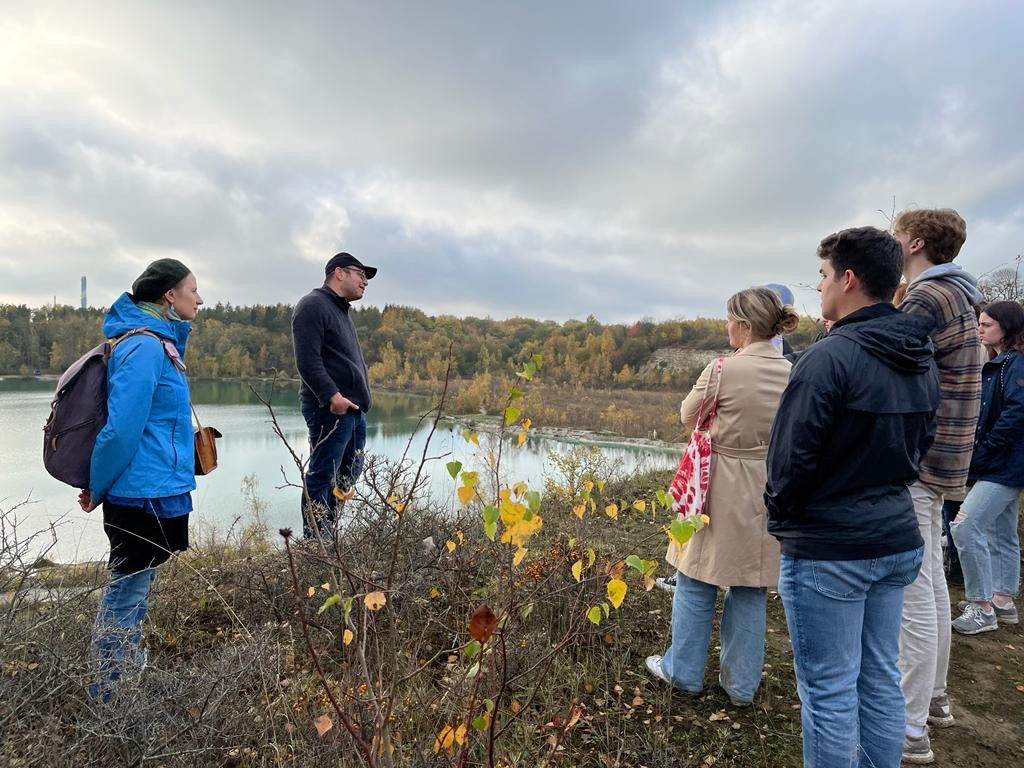
The event took place at Karlstrup Kalkgrav lake, where students were able to learn about geology, the history of the lake, and the psychology of time while walking in nature and going with the flow. 

We looked into:

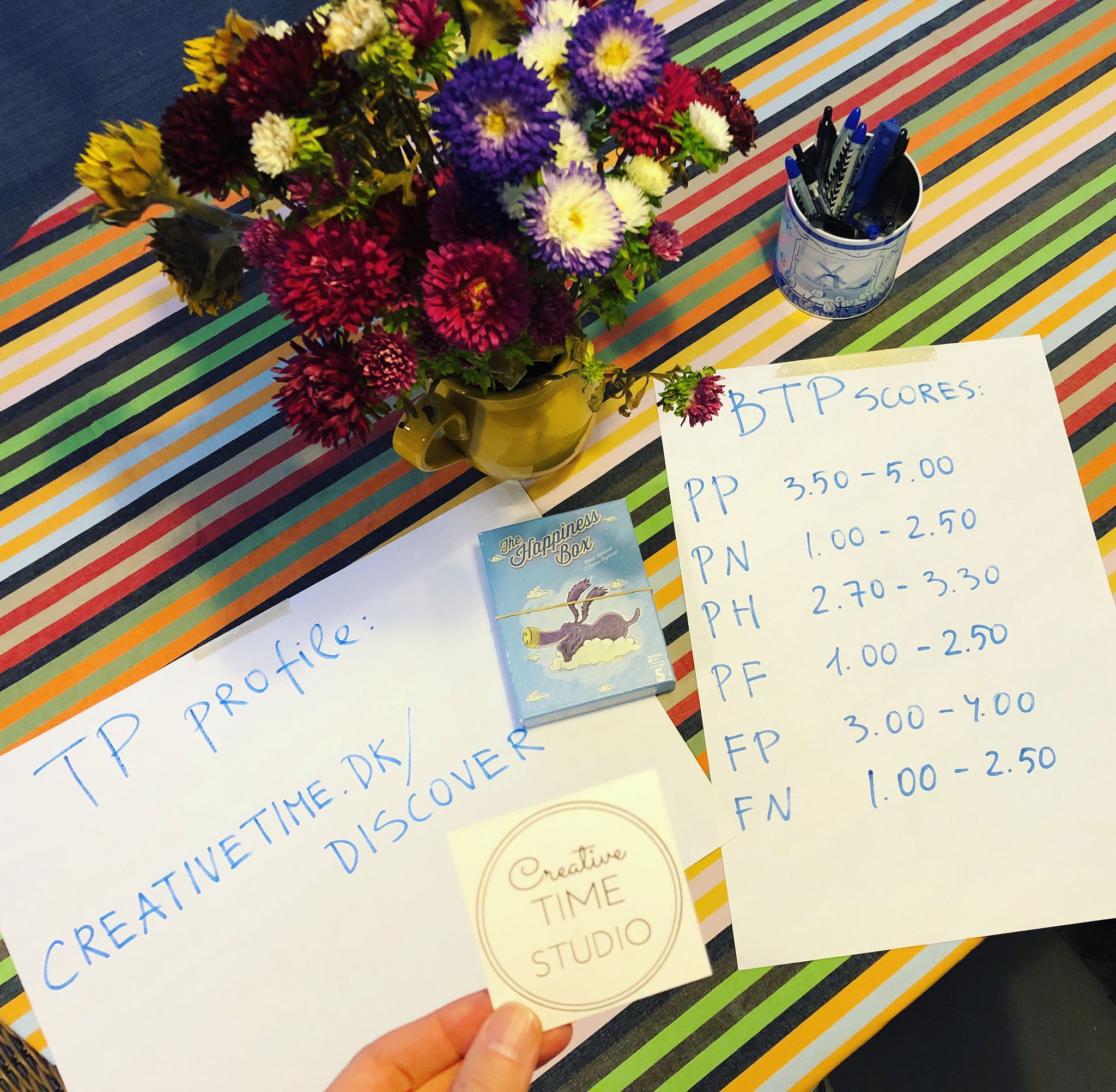
  • Balanced Time Perspective in Therapy;
  • Time perspective theory;
  • Balanced time perspective profile;
  • Personal and global future;
  • Living in the present.

The main activity was a mindful walk in silence while experiencing living in the present, contemplating, and observing the surroundings. After this, students shared their feelings, impressions, and diverse points of view.

This activity allowed students to reflect and become more conscious of their views on the human-made lake and its nature.

As a result, students discovered that while having different thoughts about it and listening to totally different experiences of others, all of them were right, depending on their past experiences. 

It was wonderful to be a part of this adventure, and we look forward to hearing more about students observing their lives and reflecting on their Time Perspective Profile to become more balanced. 

If you are a practitioner (psychologist, therapist or coach) and interested to learn more about the Balance Time Perspective Coaching please join our educational seminar on it. 

If you are interested in self-development and learning more about your personal time perspective profile and how to reach more balance, you can join the course “Where is my time?” or reach out for an individual consultation. 

Many of the Creative Time Studio’s workshops are tailor-made, so don’t hesitate to reach out by requesting a workshop that fits your organization, class or group’s needs.

Workshop: Futurization: Creating the Space for the Future | Sustainable Development in Northern Europe course, DIS | 28.09.2022

Recently the DIS students from the course Sustainable Development in Northern Europe participated in our workshop on Futurization: Creating the Space for the Future.

We looked into the images of our own personal future and those of the global future. There was a stark difference between the two – personal future being much more positive and global future images were mostly negative. Similarly to my earlier research results presented at the TEDx Vilvoorde.

We looked into the common challenges associated with futurization:

  • lack of future discourse – no future language, absence of a tool to talk about it, except for concepts like ‘pension’ or ‘mortgage’ (are those effective?);
  • lack of our cognitive capacity to imagine long-term future;
  • images of the global future can be very scary, anxiety-provoking, or leave us feeling hopeless;
  • our defense mechanisms protect us from such emotions, but also make us shortsighted.

We looked at our difficult emotions, but have also looked at what can actually be done by us in the context of the current situation. We talked about the importance of knowing our own values and how to develop personal strengths supporting them. 

Creating a safe space for expressing the emotions, imaginaries, hopes, and, most importantly, fears associated with the future and ‘futurization’, allowed for more productive ideas and solutions to emerge among the participants.

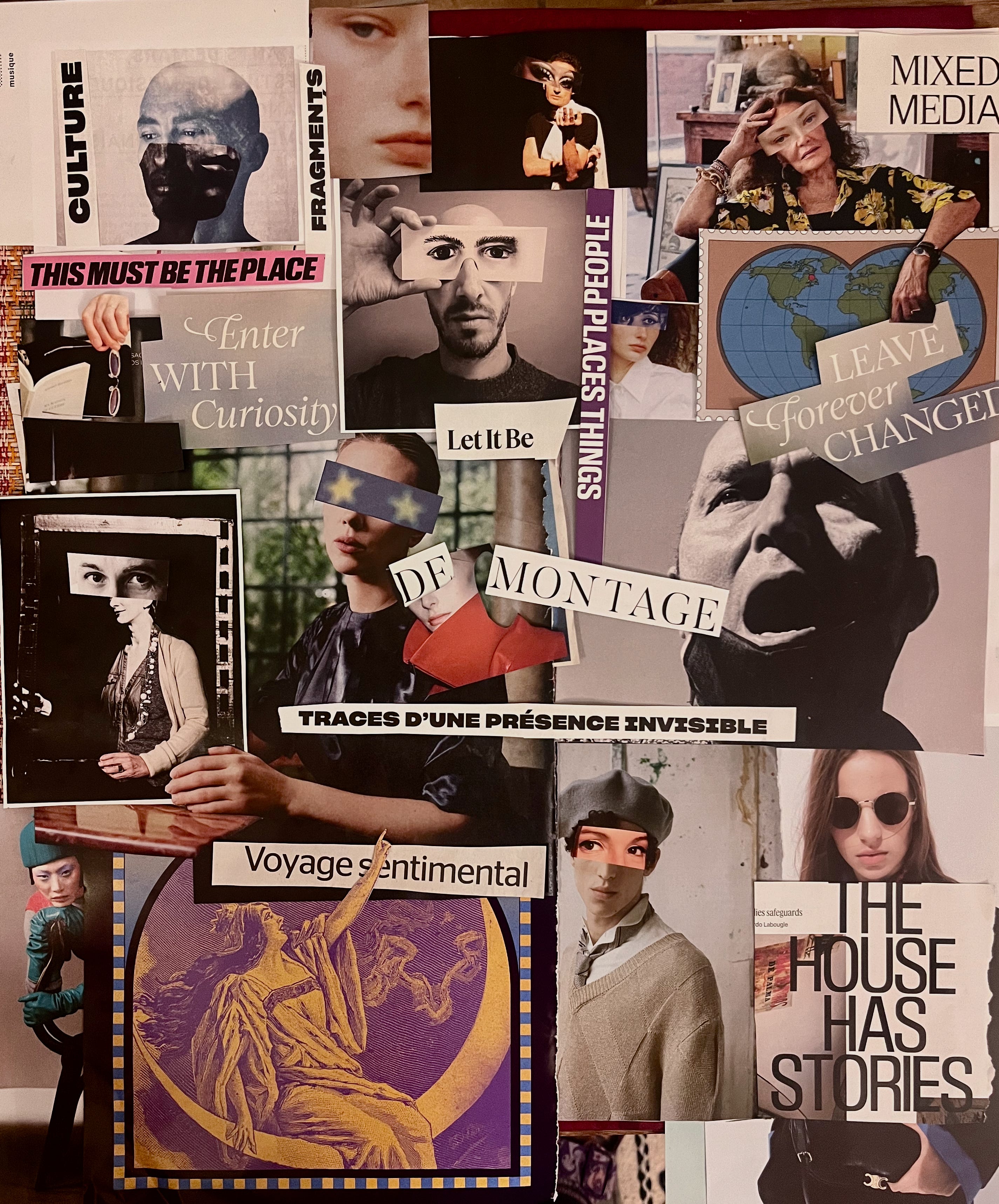
Finally, we looked into the ideal future, a combination of personal and global images, by visualizing it. Creating and discussing collages were valuable tools that helped the students to realize their thoughts about the future and to find what can support them in developing strategies for a better future. 

As a result, students shared how they can keep the positive side of looking at their personal and global future and the importance of making change individually on a small scale.

We look forward to seeing how our workshop will inspire our young participants to create more sustainable personal and global futures.

If you are interested in self-development, learning more about personal and global future, and sustainable development – join our future workshops or reach out for a tailor-made workshop that fits your organization, class, or group’s needs.